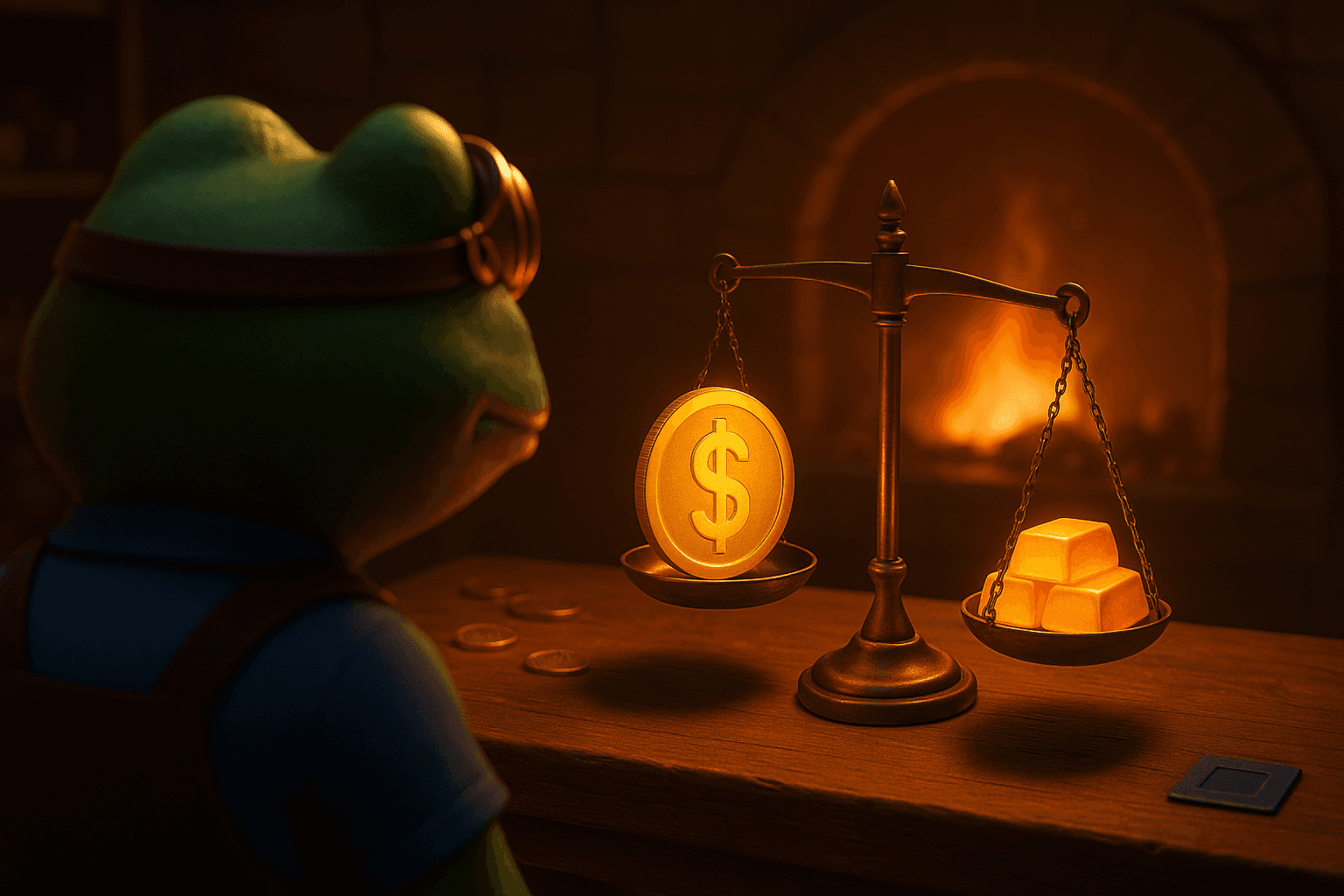
When people first look at tokens, they often focus on the price. “This coin is only a fraction of a cent, it could 100x!” But price alone doesn’t tell the full story. What really matters is market cap.
This guide explains the difference between market cap and price, why market cap usually matters more, and how to think about both when looking at tokens.
Price: The Cost of One Token
Definition: The amount of money you need to buy a single token.
Price can be:
- High (like ETH trading at thousands of dollars).
- Low (like meme tokens trading at fractions of a cent).
Why it matters: Price shapes perception. A low price can feel “cheap” and attractive to newcomers. A high price can feel exclusive or premium.
Limitations: Price alone doesn’t account for how many tokens exist. A token could cost $0.01, but if there are trillions of tokens, it may still have a massive valuation.
Market Cap: The Bigger Picture
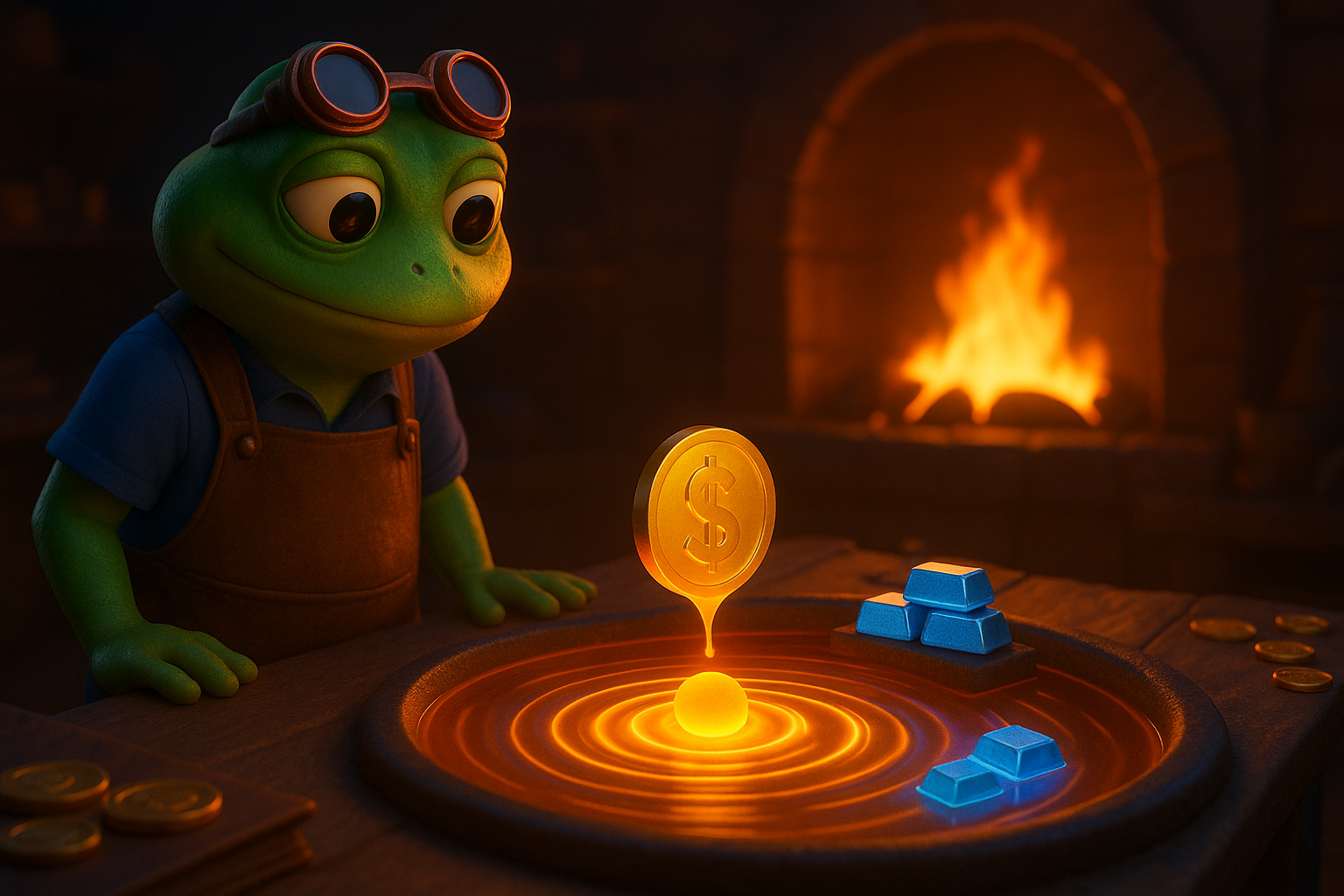
Definition: Market cap is the total value of all tokens in circulation.
Formula: Market Cap = Token Price × Circulating Supply
Example:
- Token A costs $1 and has 1 billion tokens → Market Cap = $1 billion.
- Token B costs $0.01 and has 100 billion tokens → Market Cap = $1 billion.
Even though Token B looks “cheaper” at one cent, both projects have the same overall value.
Why it matters: Market cap shows the scale of a project. It’s the best way to compare tokens fairly, regardless of individual price.
Circulating Supply vs Total Supply
• Circulating Supply: Tokens available and trading right now.
• Total Supply: The maximum number of tokens that will ever exist.
A project might have a small circulating supply today but mint more over time. That means market cap could expand dramatically even if the price per token stays the same.
Why Market Cap Usually Matters More
- Fair comparisons: Market cap lets you compare two projects directly.
- Price illusions: Low price per token does not equal growth potential.
- Community scale: Market cap reflects how much value the community has given a project overall.
When Price Matters
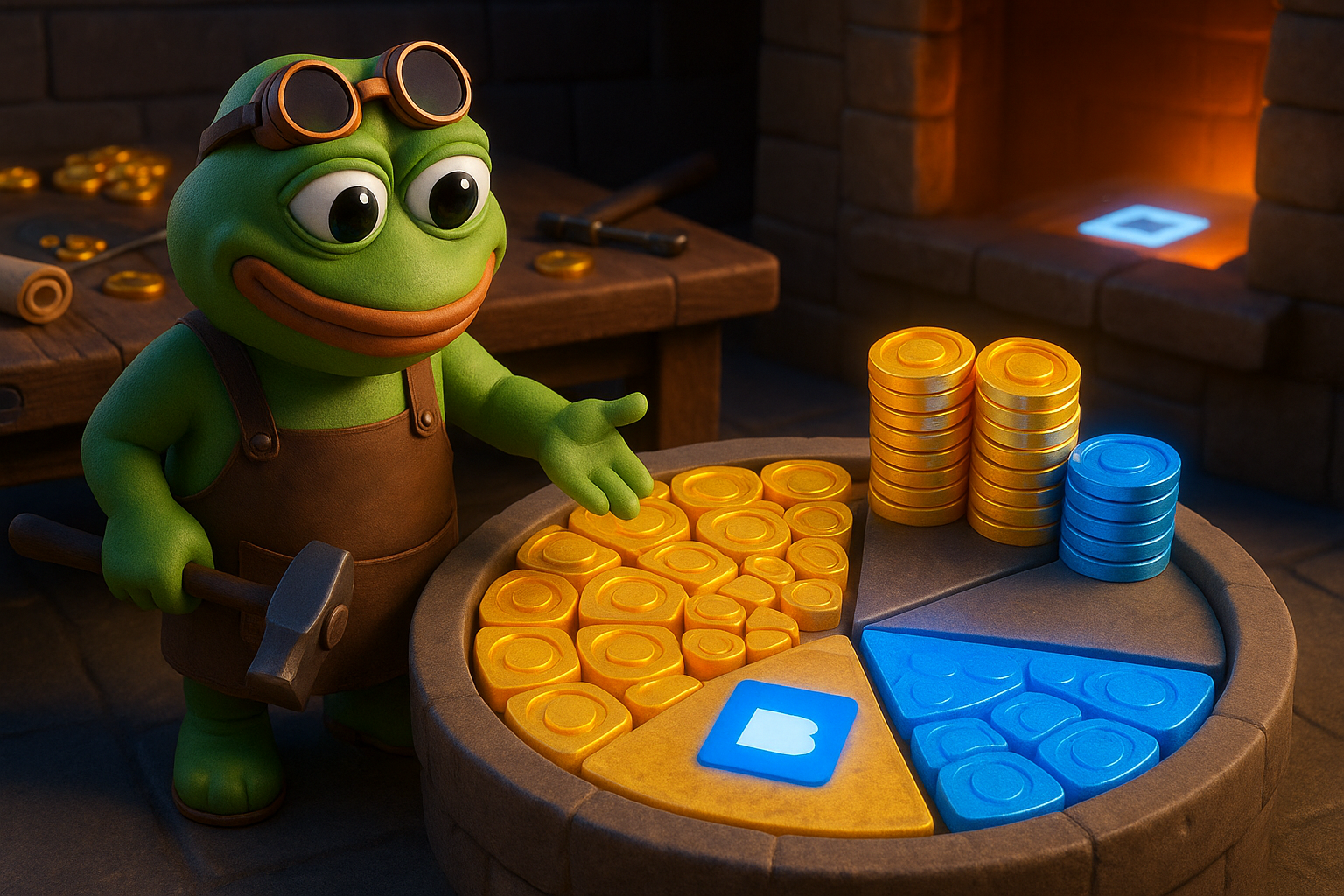
Price does still play a role:
- Unit bias: People prefer buying thousands of tokens instead of fractions.
- Accessibility: Very high-priced tokens can feel out of reach.
- Psychology: Newcomers are often drawn to low prices without realizing supply dynamics.
Putting It Together
When evaluating tokens:
- Look at market cap first to understand the project’s scale.
- Use price to think about accessibility and community psychology.
- Always check supply details (circulating vs total) for context.
Final Thoughts
Price gets attention, but market cap tells the truth. A token that costs one cent can be “bigger” than a token that costs one hundred dollars if the supply is massive.
If you’re creating or joining a token community, keep market cap in mind before getting distracted by flashy low prices. Tools like the Token Forge on Base help new builders design fair supply and distribution models so that market cap and price make sense together from day one.