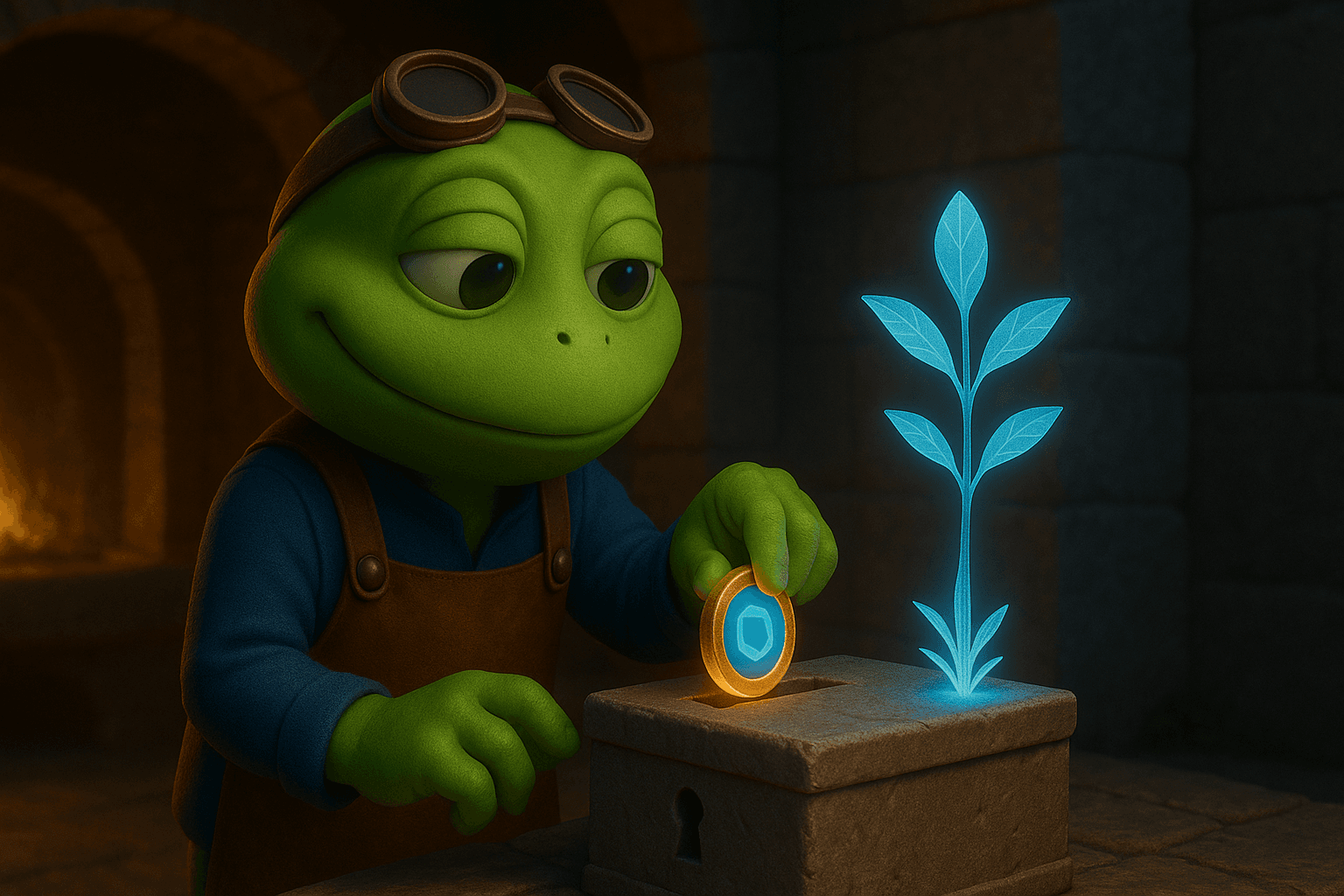
Staking is one of the most popular features in crypto. It rewards holders for committing their tokens, strengthens communities, and creates new ways to engage with projects. But for newcomers, it can feel confusing. This guide breaks down staking in plain language and explains why it matters.
What Is Staking?
Staking means locking up your tokens in a smart contract for a period of time. In return, you earn rewards. Think of it like putting money in a savings account,except instead of earning interest from a bank, you earn new tokens from the project.
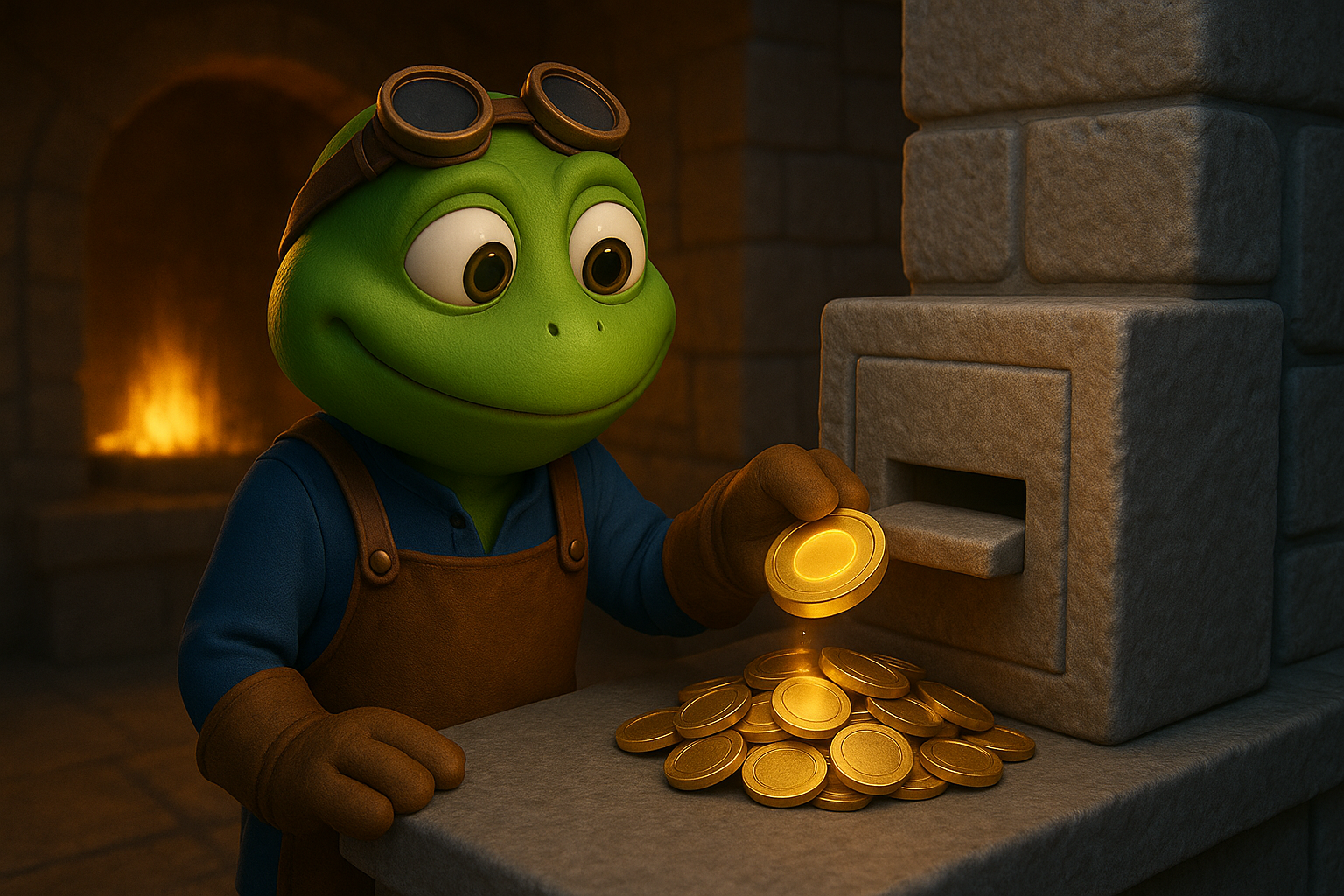
Why Do Projects Offer Staking?
- Holder Loyalty – Encourages people to hold tokens longer, reducing sell pressure.
- Community Rewards – Gives back to the most loyal supporters.
- Network Security – On proof-of-stake blockchains, stakers help secure the network.
Types of Staking
- Fixed Staking – Tokens are locked for a set period (e.g. 30 days) with fixed rewards.
- Flexible Staking – Tokens can be unstaked anytime, but rewards are smaller.
Liquidity Staking – Holders stake liquidity pool (LP) tokens to earn rewards.
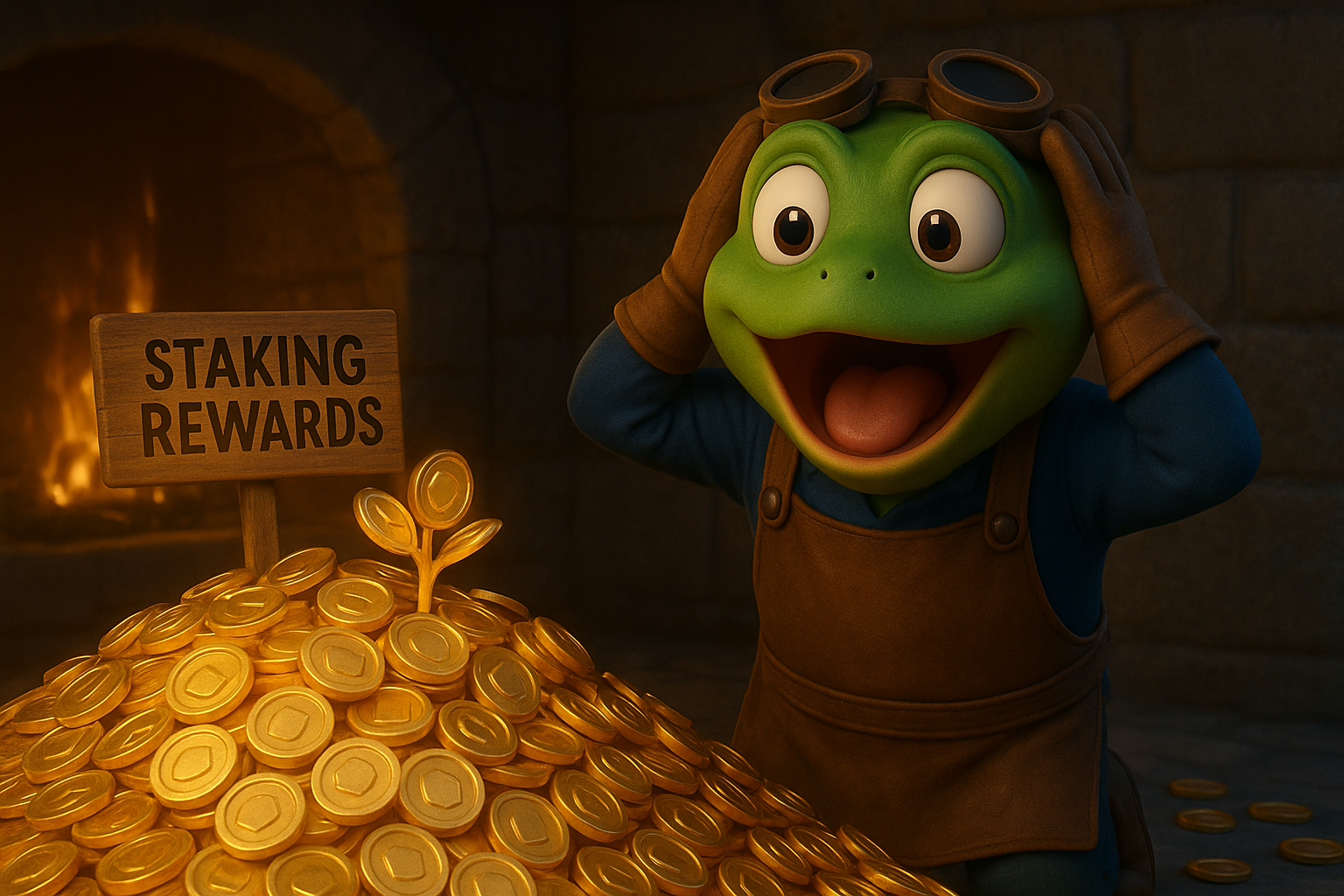
Benefits for Communities
- Passive Rewards – Holders feel connected to the project’s success.
- Stronger Culture – Long-term stakers become core community members.
- Reduced Volatility – Locked tokens mean fewer sudden dumps.
Risks of Staking
- Smart Contract Bugs – Always stake through verified contracts.
- Lock-In – With fixed staking, you can’t sell until the period ends.
- Unsustainable Rewards – Be cautious of projects promising extreme returns.
Token Forge and Staking
Tokens launched with the Token Forge on Base can be designed with staking in mind. Because the Forge ensures safe contracts and liquidity locks, projects can confidently build reward systems on top.
Final Thoughts
Staking is more than just rewards. It builds trust, loyalty, and resilience in token communities. When designed fairly, it strengthens the bond between a project and its holders. With the Token Forge on Base, builders can create tokens that are safe, sustainable, and staking-ready.