
Memecoins can be fun, cultural, and rewarding communities to join. But they’re also full of scams, cash grabs, and projects that disappear overnight. If you’re new to the space, it’s critical to know the warning signs before getting involved.
This guide breaks down the most common red flags to watch for, explained in simple terms.
1. No Clear Purpose or Story
If the token’s only pitch is “number go up,” that’s a red flag. Even meme tokens need an identity or narrative beyond hype. A strong memecoin usually has a story, culture, or theme people rally behind.
2. Anonymous Team With No Transparency
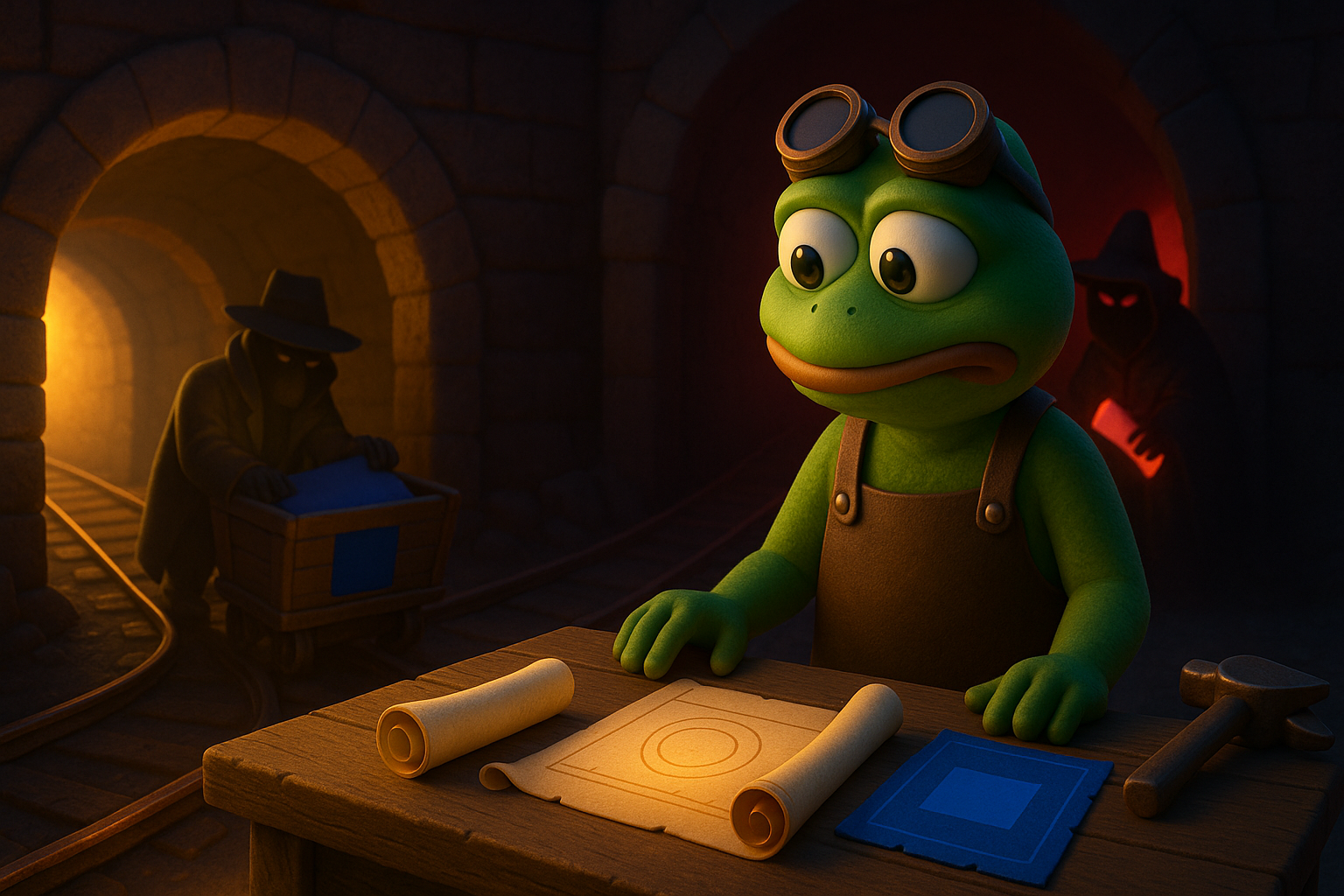
Anonymous founders aren’t always bad. But if the team gives zero context, has no history, and hides all details, it’s a warning sign. Projects with nothing to lose can vanish overnight.
Green flag: Teams that share experience, past projects, or contribute visibly in community chats.
3. Unlocked Liquidity
Liquidity is the pool of tokens that lets people trade. If it’s not locked, founders can pull it also known as a rug pull and leave the token worthless.
How to check: Tools like DexScreener or Etherscan can show if liquidity is locked.
Token Forge note: Tokens launched through the Token Forge on Base always come with LP lock options, reducing this risk.
4. No Vesting or Anti-Whale Protections
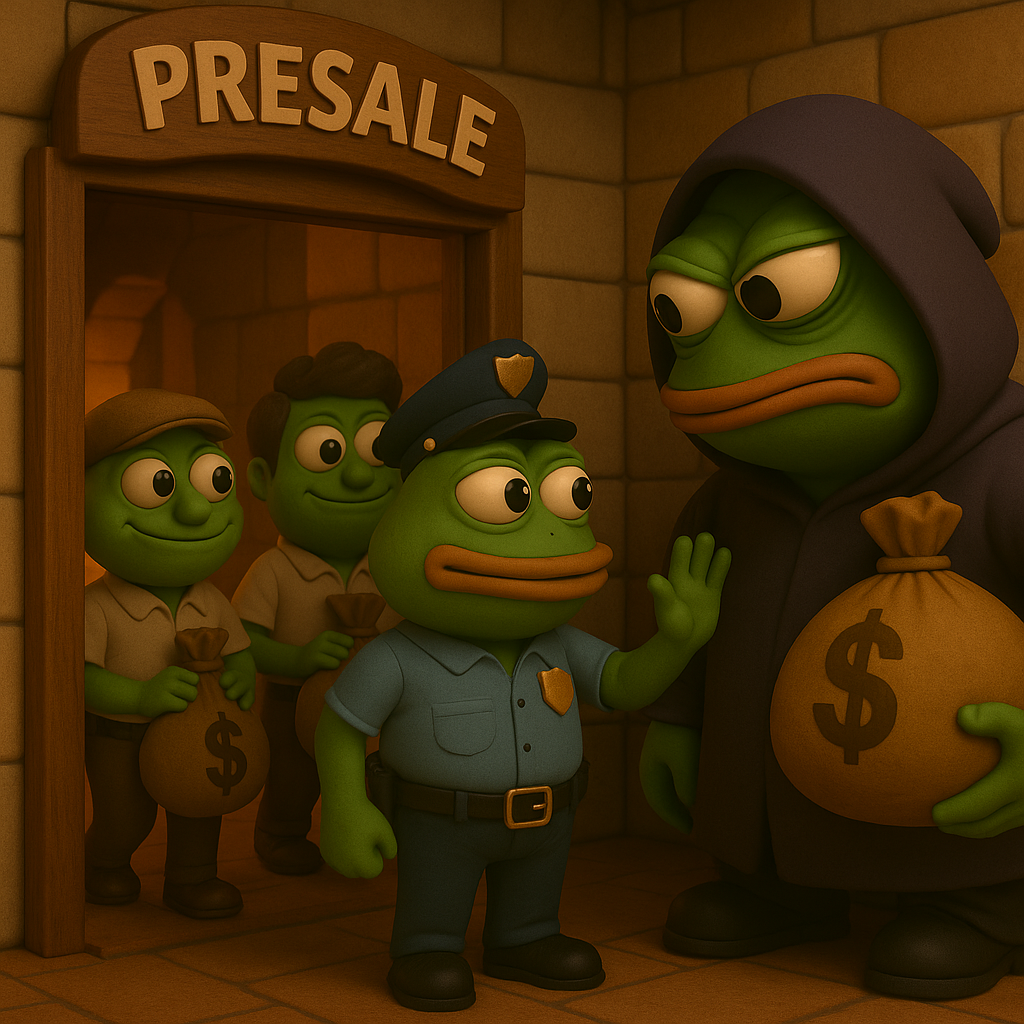
If the team holds a giant chunk of tokens that are immediately liquid, they can dump them on the market. If one wallet holds most of the supply, that’s risky.
Green flag: Vesting schedules and wallet caps that spread ownership fairly.
Token Forge note: The Forge bakes in vesting schedules and whale protection by default.
5. Copy-Paste Contracts
Tokens that simply clone contracts without changes and without audits can be dangerous. Bugs or backdoors often hide in poorly copied code.
Green flag: Use of audited, standard templates or launch tools like the Token Forge on Base, which bake in safety features.
6. Over-Promising Roadmaps
Beware of projects that promise everything “metaverse, play-to-earn, AI, NFTs” all at once, with no track record. Most never deliver.
Green flag: Simple, realistic roadmaps with short-term milestones.

7. Hype With No Community
If all the energy is on X (Twitter) or paid influencers, but the Telegram or Discord is dead or full of bots, that’s a red flag. Strong memecoins have real community activity.
8. No Documentation
Legit projects publish at least a litepaper or FAQ. These explain the basics: supply, purpose, allocation, distribution.
Red flag: If they can’t be bothered to write this, it’s probably a cash grab.
9. Hidden Contract Functions
Some contracts include “back doors” like the ability to mint infinite tokens or block transfers. Always check if the contract is verified on a block explorer.
Token Forge note: Tokens created through the Forge are verified by design, making hidden functions much harder to slip in.
10. Over-Focus on Price
If every message is about “moon” and “lambo,” it’s pure speculation and usually short-lived.
Green flag: Communities that talk about culture, memes, and shared fun beyond price.
Final Thoughts
Not every red flag means a project will fail. But the more you see, the more cautious you should be.
Memecoins can be fun and meaningful communities but only when they’re built with fairness, transparency, and culture.
If you want to avoid many of these risks, consider tokens launched through the Token Forge on Base. With built-in liquidity locks, vesting, wallet caps, and verified contracts, the Forge filters out common dangers while still leaving room for creativity to thrive.